Essential Tips for Commercial Electrical Repairs
Commercial electrical repairs keep your building safe, compliant, and running smoothly. The most effective approach is simple: schedule regular inspections, use high quality components, stay aligned with electrical codes, and know when to bring in a licensed commercial electrician. This reduces downtime, prevents hazards, and protects both people and equipment.
Commercial electrical systems do a lot of heavy lifting. They power lighting, HVAC, office equipment, machinery, and security systems. When something goes wrong, it is not just inconvenient. It can create safety risks, interrupt operations, and damage expensive equipment. A clear, proactive plan for commercial electrical repairs helps you avoid those problems and gives you better control over costs.
Why Commercial Electrical Systems Are Different
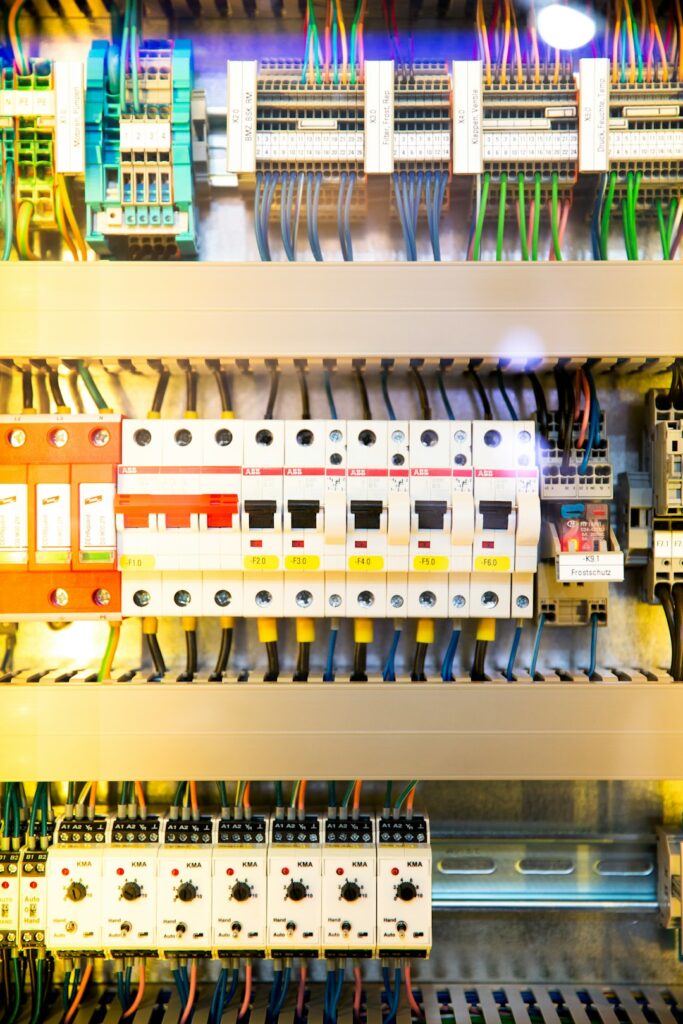
Commercial buildings are wired for higher demand and more complex needs than a typical home. You will often find:
Three phase power for larger loads
Bigger panels and transformers
Multiple sub panels and branch circuits
Built in redundancy to reduce downtime
Many facilities also rely on building automation and energy management systems to monitor usage and reduce utility costs. Because everything is connected, a small issue in one area can ripple through the rest of the system. That is why repairs and upgrades should be handled by people who understand how the entire system fits together.
Why You Need a Commercial Electrician
A licensed commercial electrician is trained to work safely around high demand systems and strict code requirements in offices, warehouses, restaurants, medical spaces, and more. A good commercial electrician will:
Diagnose electrical problems accurately
Repair or replace faulty equipment and wiring
Verify that work meets National Electrical Code (NEC) and local rules
Help plan upgrades when your building or business grows
Many commercial electricians also assist with energy efficiency. That might include recommending LED lighting, better controls, or smarter power distribution that reduces both strain on the system and monthly costs.
Common Commercial Electrical Problems
Flickering or Dimming Lights
Flickering lights are easy to shrug off, but they are an important warning sign. They can point to:
Loose or damaged wiring
Failing ballasts or drivers in fixtures
Overloaded or unstable circuits
Power quality issues feeding the building
If flickering is ignored, it can lead to overheating, premature fixture failure, or in the worst case, fire risk. A commercial electrician can test fixtures, wiring, and panels, then suggest the right solution, whether it is a simple repair or a full lighting upgrade.
Frequently Tripping Circuit Breakers
Breakers that trip once in a great while are doing their job. Breakers that trip often are telling you something is wrong. Common reasons include:
Too many devices on a single circuit
Short circuits or ground faults
Panels and wiring that no longer match your current load
Repeated tripping wears on electrical components and usually means your system is being pushed beyond what it was designed to handle. A licensed electrician can measure loads, adjust how circuits are used, and recommend panel or service upgrades when needed.
Faulty, Hot, or Sparking Outlets
Outlets that are dead, warm to the touch, loose, or sparking should never be ignored. These problems can come from:
Loose connections at the outlet
Worn or damaged receptacles
Circuits that are overloaded or improperly protected
In a commercial space, outlet issues are both a safety hazard and a productivity problem. Plugged in devices and equipment depend on a stable power source. A professional electrician will replace faulty outlets with commercial grade units, check the wiring in the box, and confirm the circuit is properly protected.
Best Practices for Commercial Electrical Repairs
1. Schedule Routine Inspections
Waiting until something fails is expensive and stressful. A better approach is to schedule regular electrical inspections, which can include:
Visual inspections of panels, wiring, and equipment
Testing breakers, GFCIs, and other safety devices
Verifying emergency lighting and exit signs
Checking for heat buildup with thermal scans where needed
These visits help you catch small issues before they grow, which lowers risk and usually cuts long term costs.
2. Use Quality Materials and Components
Commercial environments are harder on electrical systems than most homes. High quality, commercial grade components handle that stress better. When you repair or upgrade:
Choose reputable brands and commercial rated products
Follow the manufacturer instructions for load and installation
Make sure all products meet current safety standards
You may spend a little more upfront, but you usually save money over time through fewer failures, fewer callbacks, and better reliability.
3. Put Safety and Code Compliance First
Electrical work always carries risk, especially in a commercial setting where more people are involved. Safety and compliance are non negotiable. That means:
Following the National Electrical Code (NEC) and local codes
Using proper lockout and tagout procedures
Keeping panels and disconnects clearly labeled
Making sure work is inspected when required
Working with a licensed commercial electrician company gives you confidence that the work is done correctly and that you are ready for inspections or audits.
4. Keep Good Records
Accurate documentation of your electrical system makes future repairs faster and safer. Helpful records include:
Dates and details of all repairs and inspections
Updated panel schedules and circuit maps
Notes on recurring issues and what solved them
Warranty information for major components
When an electrician can see the history of your system, they can troubleshoot more efficiently and give better advice on future upgrades or changes.
When You Should Call a Commercial Electrician
Some small tasks, like resetting a breaker or replacing a burned out lamp, may be handled by trained staff if your company policies allow. Many situations, however, should always be handled by a commercial electrician.
Complex Wiring or System Changes
Bring in a professional when you are:
Adding new machinery or HVAC equipment
Reconfiguring office or production areas that affect power needs
Upgrading service panels or adding sub panels
Integrating building automation or new control systems
These projects require careful design so circuits are balanced, properly protected, and fully compliant with code.
Electrical Emergencies
In an electrical emergency, speed and expertise matter. Call an electrician immediately if you notice:
Unexplained power loss in parts of the building
Burning smells, smoke, or visible arcing
Breakers that will not reset or keep tripping
Water leaks affecting panels, outlets, or wiring
Establishing a relationship with a commercial electrical contractor before an emergency happens gives you a trusted point of contact when something serious does occur.
How To Choose a Commercial Electrician Company
Choosing the right electrical contractor is a long term decision that affects safety, uptime, and cost.
Look for a company that:
Has proven experience with commercial and industrial projects
Holds proper licenses and insurance in your state or city
Offers transparent pricing and clear communication
Provides references or reviews from other businesses
A contractor who understands your type of facility, whether it is office space, retail, hospitality, medical, or industrial, will be able to recommend practical solutions that fit your operations and budget.
Final Thoughts
Commercial electrical repairs are a key part of keeping your building safe, compliant, and efficient. By understanding how commercial systems work, watching for early warning signs, and following best practices around maintenance and safety, you reduce the risk of unexpected outages and costly emergencies.
When you pair a proactive maintenance plan with a trusted, licensed commercial electrician, you put your business in a stronger position. Your power stays reliable, your staff stays safer, and your operations can keep moving without unnecessary electrical surprises.