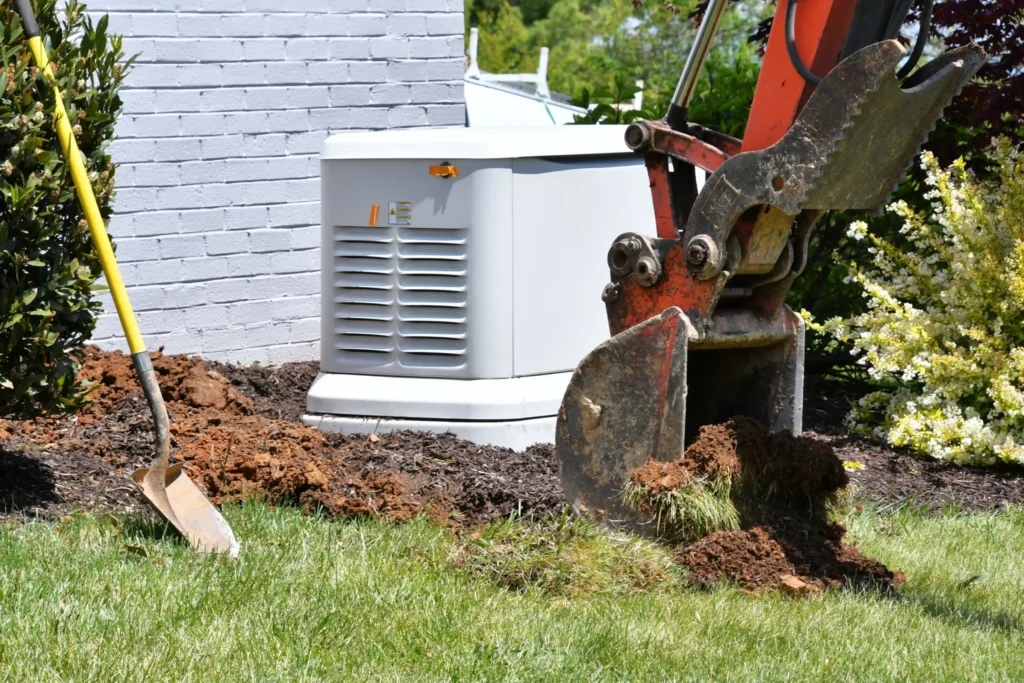

Whole house generator installation connects a standby generator to your home through a transfer switch so power turns on automatically when the grid goes down. The right system depends on your load, your priorities, and your home’s electrical and fuel setup. A professional site survey and load calculation are the difference between backup power that feels effortless and a generator that trips, struggles, or cannot run what you expected. Homeowners usually start researching generators after a frustrating outage, not as a hobby. That matters because the goal is not to own equipment, it is to reduce stress when the lights go out. This guide is built for real life questions: What will it power? What should the process look like? What affects the cost? What can go wrong if it is installed incorrectly? You will also see where generator projects overlap with other electrical needs like breaker panels, service upgrades, and safe transfer equipment.
Why people search “generac installers near me”
When a storm is on the way, the search intent is not casual. Homeowners are trying to solve a problem quickly, and they want a local installer who can handle the full scope, including permits, safe transfer switching, and commissioning. The phrase “near me” is really code for: Can you get this done correctly and stand behind it when I need service later?
Generac is frequently part of that search because it is a common standby generator choice with wide market awareness. The brand matters, but the installation quality matters more. A great generator with a rushed install is still a fragile system.
The “Price of Power” without the guesswork
If you are trying to understand cost, start with a simple truth: a standby generator project is not just a product purchase. It is a permanent electrical system integration.
A typical install includes two big parts:
1) The generator system and core components
The generator itself
The transfer switch and control equipment
Battery, monitoring features, and required accessories
Placement and mounting requirements
2) The installation scope that makes it safe and reliable
Electrical tie in at the panel and transfer equipment
Load planning and circuit strategy
Fuel coordination (natural gas or propane)
Permitting and inspections (varies by jurisdiction)
Commissioning and testing under load
Homeowner orientation so you know what the system is doing
If you are comparing quotes, insist on scope clarity. A cheap quote is often just a smaller scope.
Generac vs the rest: what matters in 2026
Homeowners often ask, “Is Generac the best?” The more useful question is: “Will I be able to service this system easily, and will it do what I need during a real outage?”
Key considerations to weigh:
Serviceability: Parts availability and local support
Reliability in real conditions: Heat, humidity, storm seasons
Monitoring and maintenance expectations: Knowing the unit is ready
Installer experience: Familiarity with the equipment and correct transfer switching
Whatever brand you choose, the project should still follow the same fundamentals: correct sizing, correct transfer method, permit compliance, and real commissioning.
Sizing: essentials vs comfort
Sizing is where most regrets start. A generator can only deliver what it is sized for, and “whole house” means different things to different families.
Essentials backup (common priorities)
Refrigeration
Basic lighting
WiFi and device charging
Garage door
A few outlets and small appliances
Comfort backup (what many people actually want)
Central AC
More circuits powered simultaneously
Larger home loads like pool equipment
Fewer “we have to turn that off” moments
The right approach is a load calculation. It is not a guess based on square footage or what your neighbor installed.
The installation process: what it should look like
Here is the professional path from first call to first power up.
Step 1: Site survey
A real site survey checks:
Placement options, clearances, accessibility
Electrical panel condition and capacity
Service size and grounding considerations
Fuel source plan and feasibility
Permit pathway for your jurisdiction
Step 2: Load calculation and design
This is where the plan becomes real:
What you want to power
What the home can support safely
Transfer switch strategy
Generator sizing and configuration
Step 3: Permits and scheduling
A good contractor does not improvise around inspections. They plan for them.
Step 4: Installation and integration
Typical steps include:
Setting the pad or mounting base
Installing the generator and transfer switch
Electrical integration and labeling
Coordinating fuel connection work
Verifying all connections and safety requirements
Step 5: Commissioning and homeowner walkthrough
This is the moment that separates real installs from “it starts” installs.
Verify automatic transfer behavior
Confirm stable operation under expected load
Set exercise schedule and monitoring
Show homeowner what normal looks like and what alerts mean
Breaker panel reality: the hidden bottleneck
Many generator projects uncover panel issues. Some homes have older panels, crowded breaker spaces, or unsafe legacy equipment. A generator should not be installed “around” a problem panel. It should be installed on a safe foundation.
That is why a breaker panel inspection is part of a serious generator quote.
ROI: resale and real life value
A standby generator can increase buyer confidence in markets where outages are a known stress point. But the bigger ROI is lifestyle stability: refrigeration stays cold, the home stays livable, and your routines keep going. If you work from home, care for family members, or rely on medical devices, the value becomes even more concrete.
Internal links to cluster posts
How Much Does it Cost to Install a Generac Generator? (2026)
What Size Generator Do I Need? 10kW vs 22kW Explained
Can My Breaker Panel Handle a Whole House Generator?
DIY Generator Installation? Why You Will Void Your Warranty
Generac Maintenance 101: Oil, Batteries, and Prep
FAQ
Do I need a permit for a whole house generator?
Many jurisdictions require permits and inspections for standby generator installations. The details depend on where you live and what fuel source you use.
How long does installation take?
Timeline depends on permitting, scheduling, and whether your panel needs upgrades. A contractor should be able to outline the phases after the site survey.
Will a standby generator run my AC?
It can, but it depends on AC size, other loads in the home, and generator capacity. A load calculation decides this, not a guess.
What is the difference between portable and standby generators?
Portable units are manual and temporary. Standby generators are permanently installed and automatically transfer power through a dedicated transfer switch.
Why Choose All Wire Electric
Clear, documented process from site survey to commissioning
Safety first approach to transfer switching and panel condition
Ongoing support mindset, not a one and done install
Core services: Whole house generator installation, breaker panel upgrades, electrical troubleshooting and repairs
Contact us today! Schedule a site survey and get a generator plan built around your home’s actual load.