When a circuit breaker keeps tripping, it’s easy to brush it off as a nuisance. Flip the switch. Power comes back. Problem solved at least for now.
But in the field, electricians know repeated breaker trips are rarely harmless. They’re a warning sign that something in your electrical system isn’t working the way it should. Ignoring it can lead to damaged wiring, failed appliances, or serious fire risks.
This guide explains why circuit breakers trip, what the most common causes are, and how to know when it’s time to call a professional for electrical troubleshooting.
What a Circuit Breaker Does and Why It Trips
A circuit breaker is a safety device. Its job is to shut off power when electrical current exceeds safe limits. This protects wiring inside your walls from overheating and reduces the risk of electrical fires.
When a breaker trips repeatedly, it means one of three things is happening:
- Too much electricity is flowing through the circuit
- Electricity is flowing where it shouldn’t
- The breaker or panel itself is failing
Understanding which one applies is key to fixing the issue safely.
Common Reasons a Circuit Breaker Keeps Tripping
Overloaded Circuit Breaker
The most common cause electricians see is an overloaded circuit breaker.
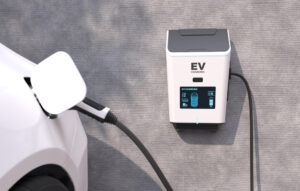
This happens when too many devices are pulling power from the same circuit at once. Modern homes use more electricity than ever: space heaters, air fryers, home offices, and EV chargers all place heavy demands on older systems.
Signs of an overloaded circuit include:
- Breaker trips when multiple appliances are running
- Lights dim before the breaker shuts off
- The same breaker trips repeatedly during normal use
In many homes, this points to the need for circuit redistribution or a panel upgrade.
Short Circuit
A short circuit occurs when a hot wire comes into contact with another hot wire or a neutral wire. This causes a sudden surge of current and triggers the breaker instantly.
Warning signs may include:
- Breaker trips immediately after resetting
- Burning smells near outlets or the panel
- Discolored or melted outlet covers
Short circuits are a serious safety issue and should always be addressed by a licensed electrician.
Ground Fault
Ground faults happen when a hot wire touches a grounded surface, such as a metal box or grounding wire. These are most common in areas where moisture is present.
Typical locations include:
- Kitchens
- Bathrooms
- Garages
- Outdoor outlets
Ground faults are the reason GFCI protection is required in these areas. If breakers keep tripping, it may indicate damaged wiring, moisture intrusion, or improper installation.
Faulty Appliances or Devices
Sometimes the breaker isn’t the problem—the appliance is.
Electricians often find that refrigerators, washing machines, microwaves, or space heaters with internal electrical faults can repeatedly trip breakers.
A basic test is unplugging the appliance and resetting the breaker. If the breaker holds, the appliance likely needs repair or replacement.
Loose or Damaged Wiring
Loose wiring creates resistance, which generates heat. Over time, this heat buildup can cause breakers to trip or damage insulation.
Loose connections are commonly caused by:
- Aging electrical systems
- Poor installation practices
- Vibration from appliances
- DIY electrical work
Because loose wiring is hidden behind walls, professional electrical troubleshooting is the safest way to identify it.
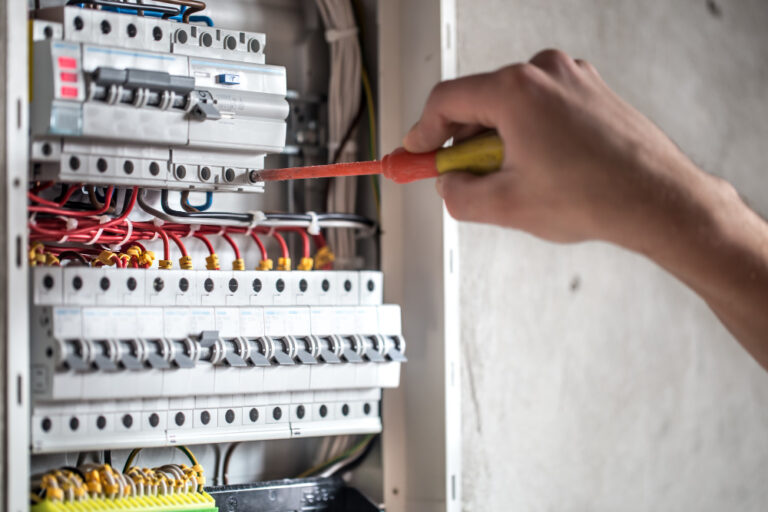
Aging or Outdated Electrical Panels
If breakers trip across multiple circuits, the issue may be the electrical panel itself.
Older panels may:
- Be undersized for modern electrical loads
- Contain worn breakers that trip prematurely
- Lack modern safety protections
In these cases, replacing the panel often resolves repeated tripping and brings the system up to current electrical code standards.
What Homeowners Can Do Safely
Homeowners can take a few basic steps:
- Unplug devices on the affected circuit
- Reset the breaker once
- Monitor whether it trips again
If the breaker trips repeatedly, stops there.
What not to do:
- Don’t keep resetting a breaker that won’t stay on
- Don’t ignore burning smells or buzzing sounds
- Don’t replace breakers without proper testing
Repeated tripping is a safety warning, not an inconvenience.
FAQs: Circuit Breaker Problems Explained
Why does my circuit breaker trip immediately after resetting it?
This often indicates a short circuit or ground fault. These conditions require professional repair.
Is it dangerous if my circuit breaker keeps tripping?
Yes. Frequent tripping means your electrical system is under stress or unsafe, increasing the risk of overheating or fire.
Can a bad breaker cause repeated trips?
Yes. Breakers wear out over time, especially in older panels. Testing confirms whether replacement is needed.
Why does my breaker trip when I use a specific appliance?
That appliance may be drawing too much power or have internal electrical damage.
Do I need an electrical panel upgrade if this keeps happening?
If your system can’t handle everyday power use, a panel upgrade is often the safest long-term solution.
When to Call a Professional Electrician
If your circuit breaker keeps tripping and you can’t clearly identify a simple cause, it’s time to call a licensed electrician. Professional electrical troubleshooting allows the issue to be diagnosed accurately—whether it’s wiring, the breaker, your panel, or an appliance.
Addressing the problem early helps prevent costly repairs and protects your home.
In real-world service calls, repeated breaker trips are rarely “nothing.” They’re often the first sign of an overloaded system, failing equipment, or hidden wiring problems. Circuit breakers are designed to protect your home—but only if the underlying issue is addressed.
Stop resetting the breaker and hoping it holds.
AllWireElectric provides professional electrical troubleshooting to restore safe, reliable power in your home. Contact us today to schedule an inspection and get the problem fixed the right way.