Electrical Planning for Home Remodels in Angola, IN: What Homeowners Should Know. A home remodel is exciting. New cabinets, better lighting, updated flooring, a finished basement, a kitchen expansion, or a new living space can completely change how your home feels. But before drywall goes up and finishes are installed, one part of the project needs careful attention: the electrical plan.
Electrical work is easy to overlook in the early stages because most of it ends up hidden behind walls, ceilings, and cabinets. But the decisions made before construction begins can affect safety, convenience, code compliance, and the long-term performance of your home.
For homeowners in Angola and Northeast Indiana, working with a licensed electrician early in the remodeling process can help prevent delays, change orders, overloaded circuits, and frustrating “we should have added that” moments later.
Start With How You Use the Space
A good electrical plan begins with your daily routine. Think about how the room will actually be used, not just how it will look in photos.
In a kitchen remodel, you may need dedicated circuits for appliances, countertop outlets, under-cabinet lighting, island power, a range hood, disposal, dishwasher, refrigerator, microwave, and coffee station. In a basement finish, you may need lighting zones, outlets for entertainment equipment, a dehumidifier, office equipment, exercise machines, or a future wet bar.
Bedrooms, home offices, garages, workshops, and outdoor living areas all have different electrical needs. The goal is to plan for function before finishes are selected.
Consider Whether Your Panel Can Handle the Upgrade
Many remodels add electrical demand. New appliances, additional outlets, heated floors, EV chargers, hot tubs, garage equipment, or upgraded HVAC systems may require more capacity than the home currently has.
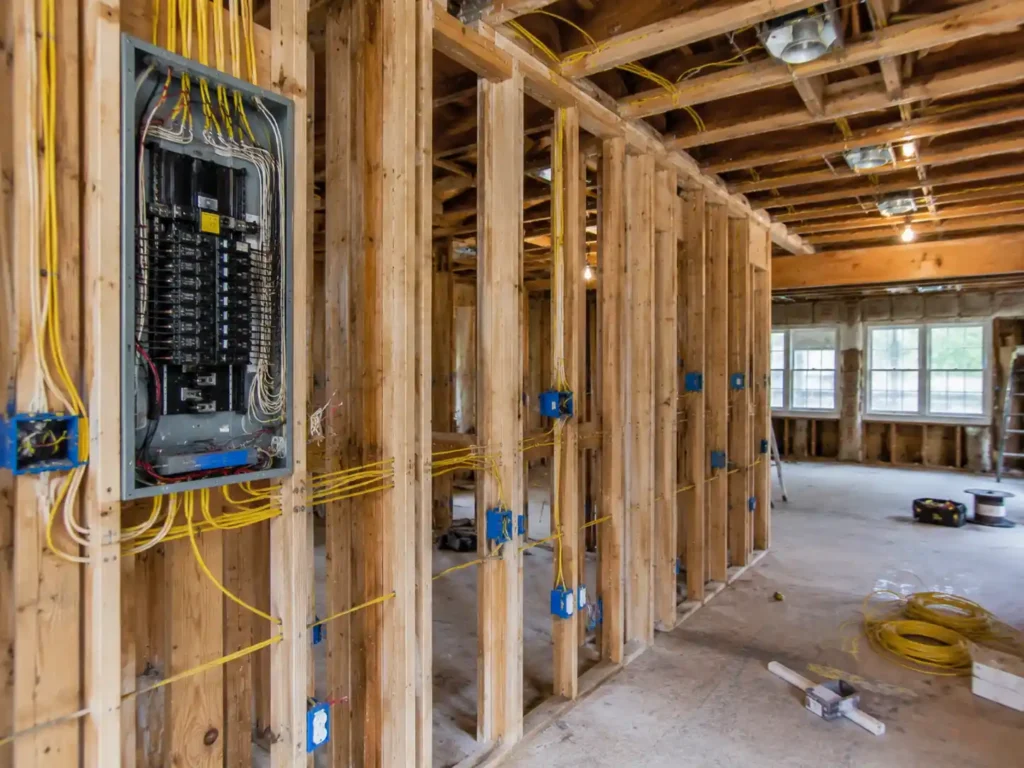
That does not automatically mean you need a panel upgrade, but it does mean the panel should be evaluated. A licensed electrician can look at the existing electrical panel, available breaker space, service capacity, current load, and the new work being planned.
This is especially important in older homes. If the panel is outdated, crowded, damaged, or already struggling with tripped breakers, a remodel may be the right time to address it.
Plan Lighting Before the Ceiling Is Closed
Lighting can make or break a remodel. A beautiful kitchen or living room can still feel frustrating if the lights are too dim, poorly placed, or controlled by the wrong switches.
Before drywall is installed, think through recessed lighting, pendant lights, vanity lights, exterior lights, under-cabinet lighting, stair lighting, closet lighting, and dimmer locations. Also consider how the lights should be grouped. You may want separate switches for task lighting, accent lighting, and general lighting.
This planning step can make the finished space feel more polished and easier to use.
Do Not Forget Outlets and Charging Needs
Modern homes need more outlet planning than homes from decades ago. Phones, laptops, tablets, speakers, smart devices, tools, vacuums, gaming systems, appliances, and chargers all compete for power.
A remodel is the best time to add outlets where they make sense. Think about furniture placement, nightstands, desks, kitchen islands, garage workbenches, bathroom vanities, outdoor seating, and wall-mounted TVs.
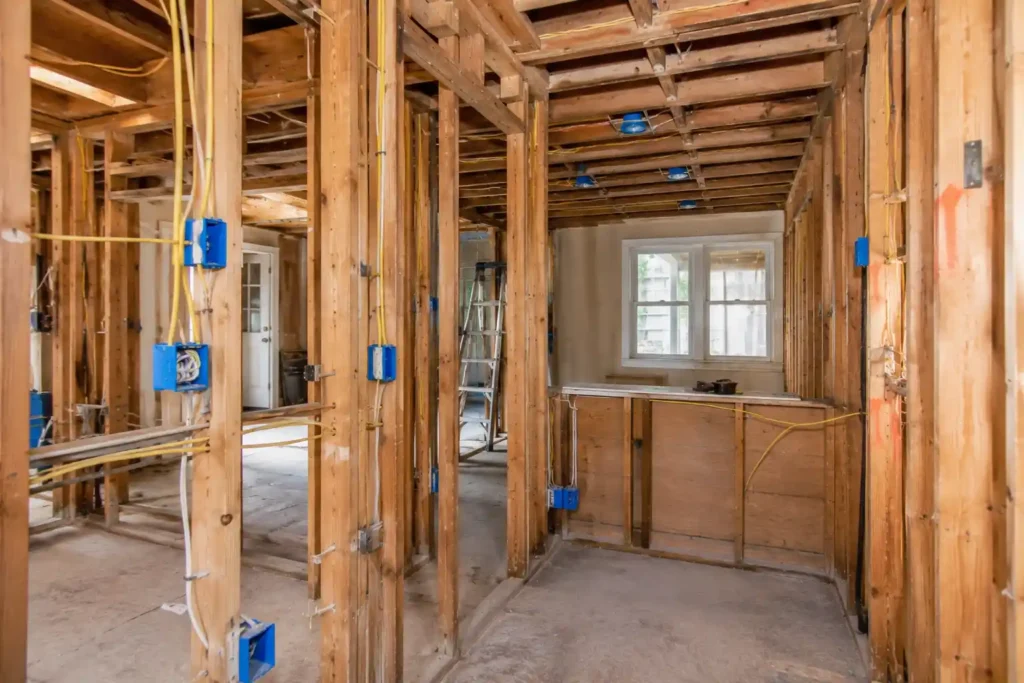
It is much easier to add outlets while walls are open than after the project is finished.
Safety Devices Matter
Today’s electrical systems include safety features designed to help reduce shock and fire hazards. Depending on the area of the home and the type of circuit, GFCI protection, AFCI protection, tamper-resistant receptacles, proper grounding, dedicated circuits, and updated wiring methods may be required.
This is not an area where guesswork is helpful. Electrical code requirements exist because homes, appliances, and safety standards have changed over time.
If your remodel involves kitchens, bathrooms, laundry rooms, garages, basements, exterior areas, or sleeping areas, your electrician should review the protection needed for each space.
Coordinate Electrical Work With Other Trades
Electrical planning does not happen in isolation. Cabinet layout affects outlet placement. Plumbing affects appliance locations. HVAC affects available wall and ceiling space. Framing changes can affect wire runs. Countertop and backsplash choices can affect visible devices and finish details.
When the electrician is brought in early, these details can be coordinated before they become problems. That helps the project move more smoothly and gives the finished remodel a cleaner look.
Watch for Warning Signs in Older Homes
If your remodel starts because part of the home already feels outdated, pay attention to possible electrical warning signs too. Flickering lights, repeated breaker trips, buzzing sounds, warm outlets, damaged wiring, burning smells, or outlets that no longer hold plugs securely should be inspected by a qualified electrician.
These issues should not be covered up with new drywall or finishes. A remodel is the right time to fix hidden problems correctly.
Build for Today and Tomorrow
A smart electrical plan supports the way you live now while leaving room for future needs. You may not own an electric vehicle today, but you might later. You may not need a generator connection now, but future backup power could become a priority. You may not use smart switches or automation yet, but wiring choices can make future upgrades easier.
At All Wire Electric, homeowners in Angola, Auburn, Fort Wayne, Coldwater, Leo, Huntertown, New Haven, and surrounding areas can get help with safe, code-compliant electrical planning for remodels, additions, repairs, lighting, panel upgrades, and more.
Before you start your next remodel, make the electrical plan part of the conversation early. It can save time, reduce stress, and help your finished space work the way it should.