Level 2 EV Charger Installation in Angola, IN: What to Know Before You Buy Electric vehicles are becoming more common, and many homeowners are realizing that relying only on public charging or a standard outlet can get old fast. If you drive an EV every day, a professionally installed Level 2 charger can make charging more convenient, faster, and easier to build into your normal routine.
But before you buy a charger online or ask someone to “just add an outlet,” it is important to understand what the installation involves. EV charging is a continuous electrical load, which means the circuit may run for hours at a time. That makes proper planning, equipment selection, and installation especially important.
For homeowners and businesses in Angola and Northeast Indiana, a licensed electrician can help determine whether your property is ready for EV charging and what upgrades may be needed.
Level 1 vs. Level 2 Charging
Most EV owners start by learning the difference between Level 1 and Level 2 charging.
Level 1 charging typically uses a standard 120-volt household outlet. It may work for plug-in hybrids or drivers with very short daily commutes, but it is slow. For many EV owners, Level 1 charging does not add enough range overnight to keep up with daily driving.
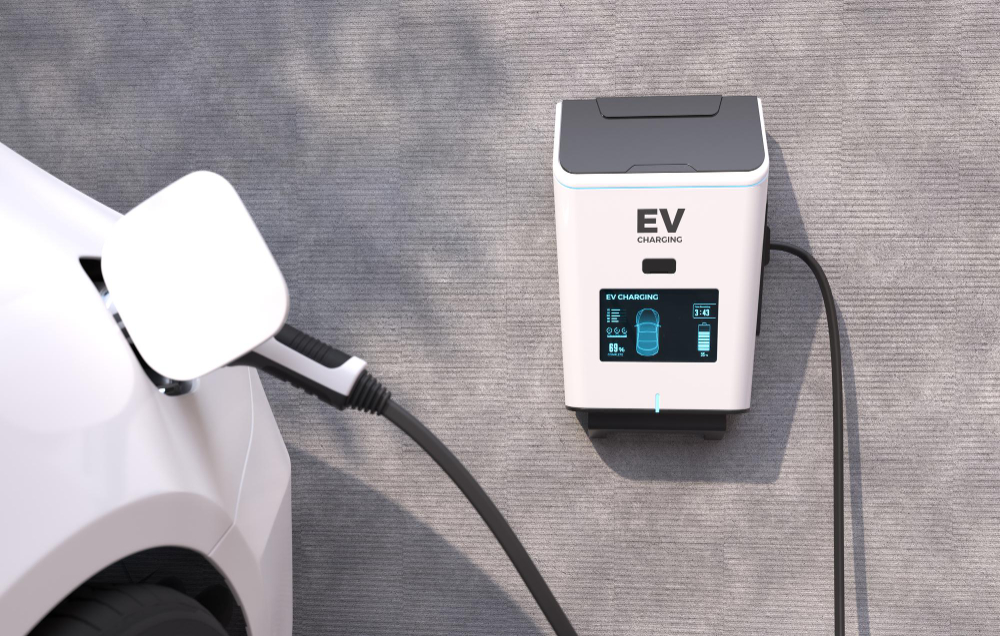
Level 2 charging uses a 240-volt circuit and charges much faster. This is the type of charger many homeowners install in a garage, driveway, carport, or parking area. It is also commonly used by businesses, rental properties, offices, and fleet operators that want more convenient charging access.
Your Electrical Panel Needs to Be Evaluated First
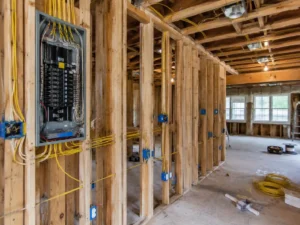
Before installing a Level 2 charger, the electrical panel should be reviewed. The electrician needs to know whether the panel has enough capacity, whether there is physical breaker space, and whether the existing service can safely support the added load.
Some homes are ready for a charger with a new dedicated circuit. Others may need a panel upgrade, load management, service work, or a different charger configuration.
This is one reason EV charger installation should not be treated like a simple appliance hookup. The charger, circuit, breaker, wiring, panel, and installation location all need to work together.
Charger Location Matters
Where you place the charger affects convenience and installation cost. A charger close to the electrical panel may be simpler to install than one located across the garage, on a detached structure, or far down a driveway.
Think about where you normally park, where the charge port is on your vehicle, how long the charging cable needs to be, and whether the charger will be indoors or outdoors. Outdoor installations need equipment rated for the environment and protection from weather, impact, and everyday use.
For businesses, charger placement also affects customer access, parking flow, signage, lighting, and future expansion.
Plug-In vs. Hardwired Chargers
Some Level 2 chargers plug into a dedicated 240-volt receptacle. Others are hardwired directly to the circuit. Each option has pros and cons.
Plug-in units can sometimes be easier to replace or take with you, but the receptacle and circuit still need to be installed correctly. Hardwired units may be preferred in some settings because they can create a cleaner, more permanent installation and may be required depending on the charger, amperage, and local code requirements.
The right choice depends on the charger model, property, electrical capacity, and installation goals.
Safety Should Come Before Speed
It is easy to focus only on charging speed, but faster is not always better if the electrical system is not designed for it. The charger should be matched to the vehicle, circuit size, panel capacity, and manufacturer requirements.
National safety organizations recommend using listed charging equipment, following manufacturer instructions, inspecting cords for damage, and avoiding extension cords with EV chargers. These recommendations exist because EV charging equipment carries significant electrical demand for long periods.
A professional installation helps reduce the risk of overheating, nuisance tripping, damaged equipment, and unsafe wiring.
Businesses Can Benefit From EV Charging Too
EV charging is not just for homeowners. Small businesses, offices, apartment communities, agricultural properties, shops, and roadside locations near major travel routes may benefit from installing charging stations.
For businesses around Angola, Downtown Angola, Trine University, Pokagon State Park, and the Interstate 69 area, EV charging can add convenience for employees, customers, tenants, visitors, and travelers.
Commercial installations may require additional planning, including parking layout, electrical capacity, signage, billing options, charger networking, lighting, and future expansion.
What Affects Installation Cost?
EV charger installation cost can vary from one property to another. Common factors include distance from the electrical panel, panel capacity, circuit size, charger type, indoor or outdoor placement, trenching, wall repairs, permitting, and whether additional upgrades are needed.
A simple installation may be straightforward. A more complex installation may require panel work, longer wire runs, or service upgrades. The only reliable way to know is to have the property evaluated.
Work With a Licensed EV Charger Electrician
Installing a Level 2 charger is a long-term electrical upgrade. It should be safe, convenient, and built for daily use.
All Wire Electric provides EV charging station installations, electrical panel upgrades, residential electrical services, commercial electrical services, and electrical repairs in Angola, Auburn, Fort Wayne, Coldwater, Leo, Huntertown, New Haven, and surrounding areas.
If you are thinking about buying an EV charger, start with an electrical quote before ordering equipment. A professional evaluation can help you choose the right charger, confirm your panel capacity, and install the system safely from the start.