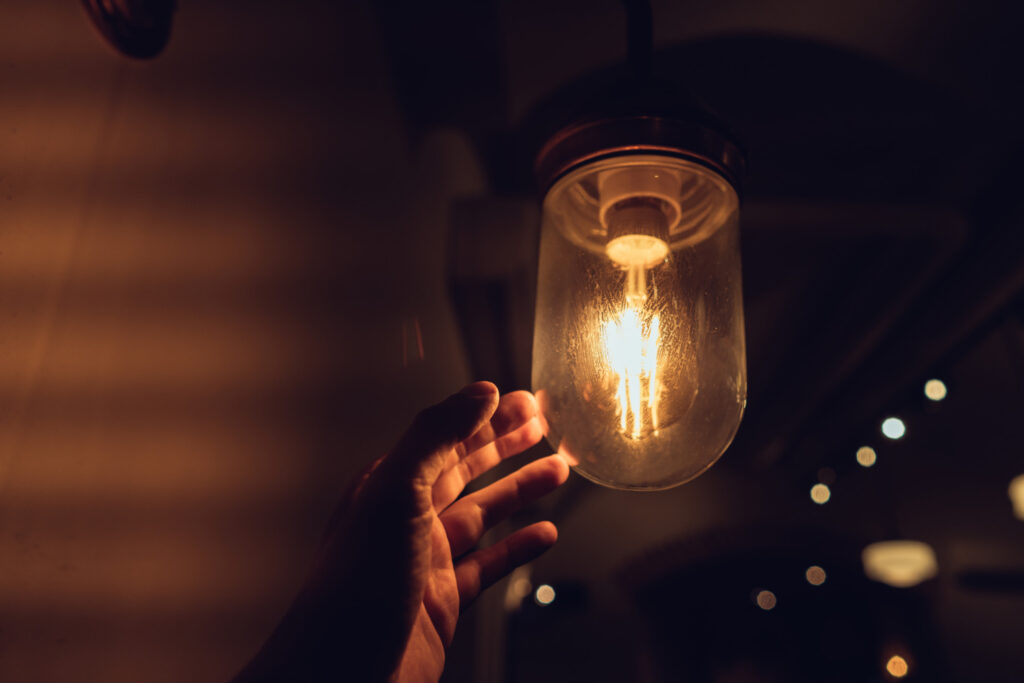
Flickering lights are more than a minor annoyance. When flickering lights happen repeatedly, they often signal an underlying electrical issue that should not be ignored. While a loose bulb can sometimes be the cause, persistent flickering lights may point to loose wiring, overloaded circuits, or problems inside your electrical panel.
Homeowners often assume lighting issues are harmless. In real service calls, electricians know that flickering lights are frequently an early warning sign. Identifying the cause early protects your home and prevents more expensive repairs later.
What Flickering Lights Typically Mean
Electricity in your home should remain steady. When flickering lights occur, voltage is fluctuating somewhere in the system. That fluctuation may affect one fixture or multiple areas of the home.
The first step is determining whether the issue is isolated or widespread. If a single light flickers, the cause may be localized. If lights dim across several rooms when appliances turn on, the issue may involve your system’s overall capacity.
Understanding the pattern helps determine the solution.
Common Causes of Flickering Lights
Loose Bulbs or Fixture Connections
Sometimes the explanation is simple. A loose bulb or worn socket can interrupt electrical contact. Tightening the bulb or replacing a fixture may resolve the problem.
If flickering continues after checking the fixture, the issue likely extends beyond the light itself.
Overloaded Circuits
Modern homes demand more power than ever. When appliances such as air conditioners, refrigerators, or microwaves start up, they draw significant electricity.
If the circuit is near capacity, lights may dim or flicker briefly. Repeated flickering under load often signals that the electrical system is struggling to handle demand.
An electrician may recommend redistributing circuits or evaluating whether the panel has sufficient capacity.
Loose Wiring Behind Walls
Loose wiring is one of the more serious causes of flickering lights. When wiring connections loosen over time, resistance increases. Increased resistance generates heat and causes unstable current flow.
Loose wiring is not visible without inspection and requires professional electrical troubleshooting. Left unaddressed, it increases fire risk.
Voltage Fluctuations
Inconsistent voltage entering or moving through your home can cause widespread flickering. If multiple rooms are affected simultaneously, the issue may involve the electrical panel or service connection.
Electricians use voltage testing equipment to determine whether fluctuations originate inside the home or from the incoming utility supply.
Aging Electrical Panels
Older panels may struggle to distribute power evenly. Worn breakers and degraded internal components can lead to unstable electrical flow.
If flickering lights are combined with breaker trips, buzzing sounds, or warm panel surfaces, the panel should be evaluated immediately.
When Flickering Lights Signal a Serious Problem
Certain symptoms require urgent attention. Contact a licensed electrician immediately if flickering is accompanied by:
- Burning odors
- Buzzing or crackling sounds
- Warm outlets or switches
- Discoloration around outlets
These signs indicate overheating or electrical arcing. Early intervention prevents damage and protects your home.
How Electricians Diagnose Flickering Lights
Professional diagnosis follows a structured approach.
First, electricians identify the affected circuit. Then they test voltage stability and inspect accessible wiring connections. If needed, they evaluate the electrical panel and calculate load distribution.
This method prevents guesswork. Instead of temporarily masking the symptom, electricians identify the source of the problem.
Experience matters. Flickering lights are a symptom, not the root issue.
Why Addressing Flickering Early Matters
Electrical systems rarely fix themselves. Minor issues often escalate. Loose wiring worsens. Overloaded circuits place stress on breakers. Panels continue to degrade.
Addressing flickering lights early helps prevent:
- Appliance damage
- Electrical panel failure
- Unexpected outages
- Fire hazards
Proactive repair protects both your home and your budget.
Frequently Asked Questions
Are flickering lights always dangerous
Not always. A loose bulb may be harmless. Persistent or widespread flickering should be inspected.
Why do my lights flicker when the air conditioner turns on
Large appliances draw significant power. If the circuit is near capacity, lights may dim temporarily.
Can loose wiring cause flickering lights
Yes. Loose wiring is a common and serious cause that requires professional repair.
Do flickering lights mean I need a panel upgrade
Sometimes. If flickering occurs frequently along with breaker trips, your panel may be undersized.
Should I attempt electrical troubleshooting myself
Basic checks such as tightening bulbs are safe. Wiring or panel work should always be handled by a licensed electrician.
Stable lighting reflects a healthy electrical system. If flickering lights continue in your home, it is worth having the system evaluated before the issue escalates. AllWireElectric provides professional electrical troubleshooting to identify the cause and restore reliable power. Contact us today to schedule an inspection and protect your home from preventable electrical problems.