Power outages can happen without much warning. Strong storms, ice, wind, downed lines, and grid issues can leave your home in the dark for hours—or longer. When that happens, a standby generator can keep your home running and your family comfortable.
But installing a generator is not just about picking a unit and flipping a switch. Proper preparation matters.
At All Wire Electric LLC, we help homeowners plan and install reliable backup power systems built for real-world outages. If you are thinking about a standby generator, here is how to prepare your home the right way.
What Is a Standby Generator?
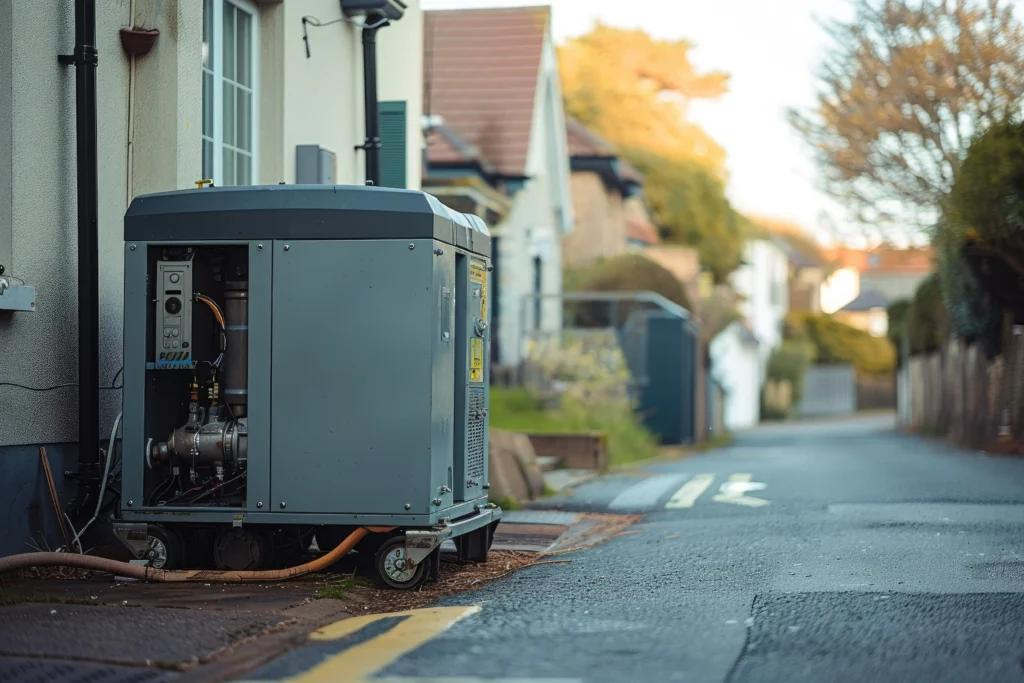
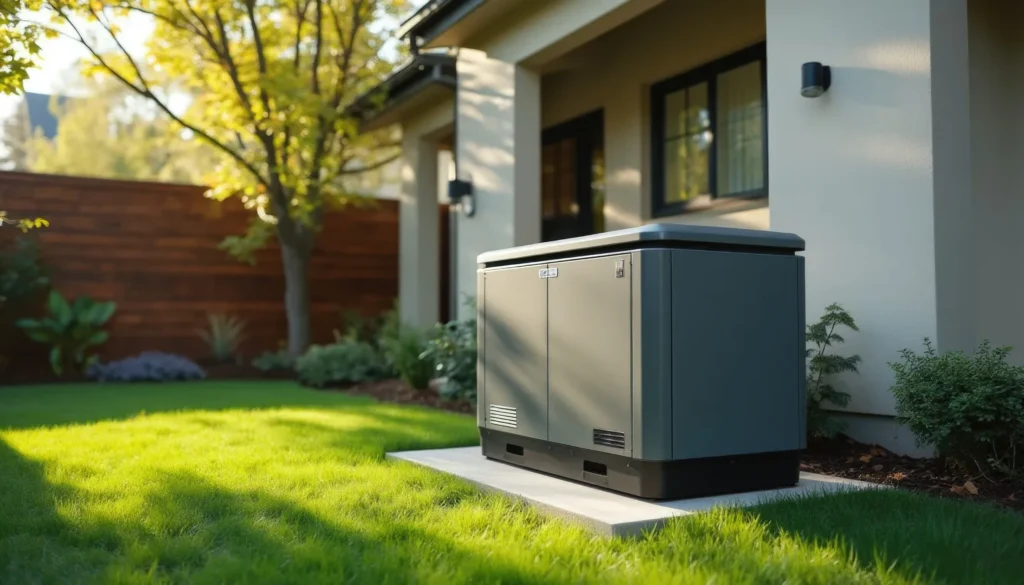
A standby generator is a permanently installed backup power system that automatically turns on when utility power goes out. Unlike portable generators, standby systems connect directly to your home and transfer power automatically.
That means no extension cords, no manual setup, and no rushing outside during bad weather.
Why Indiana Homeowners Install Generators
Backup power is about more than convenience. It can help protect:
- Refrigerators and freezers
- Heating and cooling systems
- Well pumps
- Medical equipment
- Internet and security systems
- Sump pumps
- Lighting and outlets
For many households, reliable backup power brings peace of mind.
Step 1: Decide What You Want to Power
Not every home needs whole-house backup power. Some homeowners only want essentials. Others want full-home coverage.
Common priority circuits include:
- Furnace or HVAC
- Kitchen appliances
- Master bedroom outlets
- Garage door opener
- Sump pump
- Internet router
- Home office
A licensed electrician can help size the system based on your actual needs.
Step 2: Check Your Electrical Panel
Your generator must connect safely to your home’s electrical system. If your panel is outdated, undersized, or already full, upgrades may be needed before installation.
This is one reason professional planning is so important.
Step 3: Choose the Right Location
Generators need proper placement for safety, ventilation, and code compliance. Placement depends on:
- Distance from doors and windows
- Fuel connection access
- Local code requirements
- Noise considerations
- Service accessibility
The right location protects both performance and safety.
Step 4: Understand Fuel Options
Many standby generators run on natural gas or propane. Fuel availability often influences which system makes the most sense.
A professional installer can explain what works best for your property.
Step 5: Plan for Maintenance
Like any mechanical system, generators need routine maintenance. Oil changes, inspections, battery checks, and test runs help ensure the unit works when you actually need it.
The worst time to discover a problem is during an outage.
Why Professional Installation Matters
Generator systems involve electrical work, code compliance, load calculations, permits, and safe transfer equipment. This is not a shortcut project.
Professional installation helps ensure:
- Safe wiring
- Proper sizing
- Reliable startup
- Code compliance
- Long-term performance
At All Wire Electric LLC, we install generator systems with safety and reliability at the center of every project.
Service Areas
We serve Angola, Auburn, Fort Wayne, Coldwater, Leo, Huntertown, New Haven, and nearby communities with professional generator and electrical services.
Ready for Backup Power?
If you are considering a standby generator, the best time to plan is before the next outage.
Contact All Wire Electric LLC today for a quote and expert guidance on the right backup power solution for your home.